The information regarding protocols, doses, and reactions mentioned below originates from published research as well as self-reported community sources. KLOW incorporates KPV to target inflammation and gut lining issues. Prior to usage, you should include bacteriostatic water. For volumes that are not standard, utilize the peptide calculator.
The Certificate of Analysis should confirm the identity and purity of each individual component — not simply the combined mass. An 80mg vial used at, for example, 2mg of total blend per use would yield roughly 40 uses; at 4mg per use, roughly 20. The KLOW preparation calculator handles this conversion so the four-peptide ratio stays consistent across the study.
Some people go to every other day once improvement plateaus. Add 2 mL of bacteriostatic water to the 80mg vial, aiming the stream down the glass rather than onto the powder, then roll gently. The standard KLOW 80 formulation is 50mg GHK-Cu, 10mg KPV, 10mg BPC-157, and 10mg TB-500, for 80mg the KPV vs BPC-157 comparison total. Either purity is low, one of the four peptides is light, or they’re cutting corners on manufacturing conditions that matter when you’re working with these compounds. That’s the standard research ratio used across published protocols, and it’s the one all the reconstitution math above is built on. With a blend, the thing that matters is whether anyone measured all four peptides in the finished vial.
Research Context
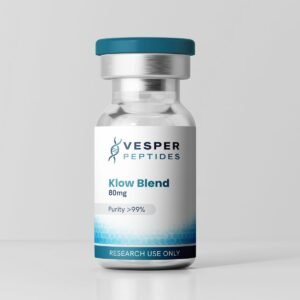
A universally correct amount doesn’t exist — adding more water merely disperses the 80 mg of peptide throughout a larger volume, facilitating precise measurement of smaller doses. Keep the mixed vial refrigerated and use an insulin syringe to draw doses. Clean the stopper with an alcohol swab, and then slowly inject the bacteriostatic water along the vial’s inner wall. Every figure is a research-use-only reference value, not medical advice. With 3 mL of water, a single unit from an 80 mg KLOW vial yields approximately 267 mcg of the complete blend.
Dosage and Frequency Chart for KLOW Peptides.
For most people, how to reconstitute KLOW peptide 80 mg means 3 mL of bacteriostatic water, which gives 26.7 mg/mL total and 1.67 mg of GHK-Cu per 10 units. In the laboratory, Klow is used to study combined effects of GHK-Cu, BPC-157, TB-500 and KPV on tissue-repair, matrix and inflammatory pathways in cell and animal models. Researchers deciding between a blend and individual compounds should weigh the design of their study, not the name. But it is a hypothesis about combining compounds, and we found no published study that tests the four together, even in animals.
Match the lot number on the vial and review the analytical results reported for the combined material. Can’t be combined with other promo codes. We link only to peer-reviewed research and reference sources — never to vendors. Because no trial has studied the klow combination, the references below cover the individual components. Because the blend contains four peptides mixed together, proper cold storage matters more than for a single-peptide vial, since any degradation affects the whole protocol at once.
Certificate of Analysis & Safety Data
So while the component science is real, any claim about the blend’s combined human efficacy is an extrapolation. A 2015 paper on GHK as a natural modulator of skin-regeneration pathways similarly maps multiple cellular pathways, again in models rather than large human trials (PMC ). GHK-Cu has the strongest mechanistic literature of the four. So the ladder below adjusts frequency, technique, and adherence first, and only ever revisits the schedule — never invents a bigger dose. Where researchers do add compounds, they are usually pursuing a different axis entirely — for example a GH-axis or metabolic peptide for goals KLOW does not target. If a full documented cycle passes with no observed change in research conditions, that is information; escalating a fixed-ratio blend is not the documented response.
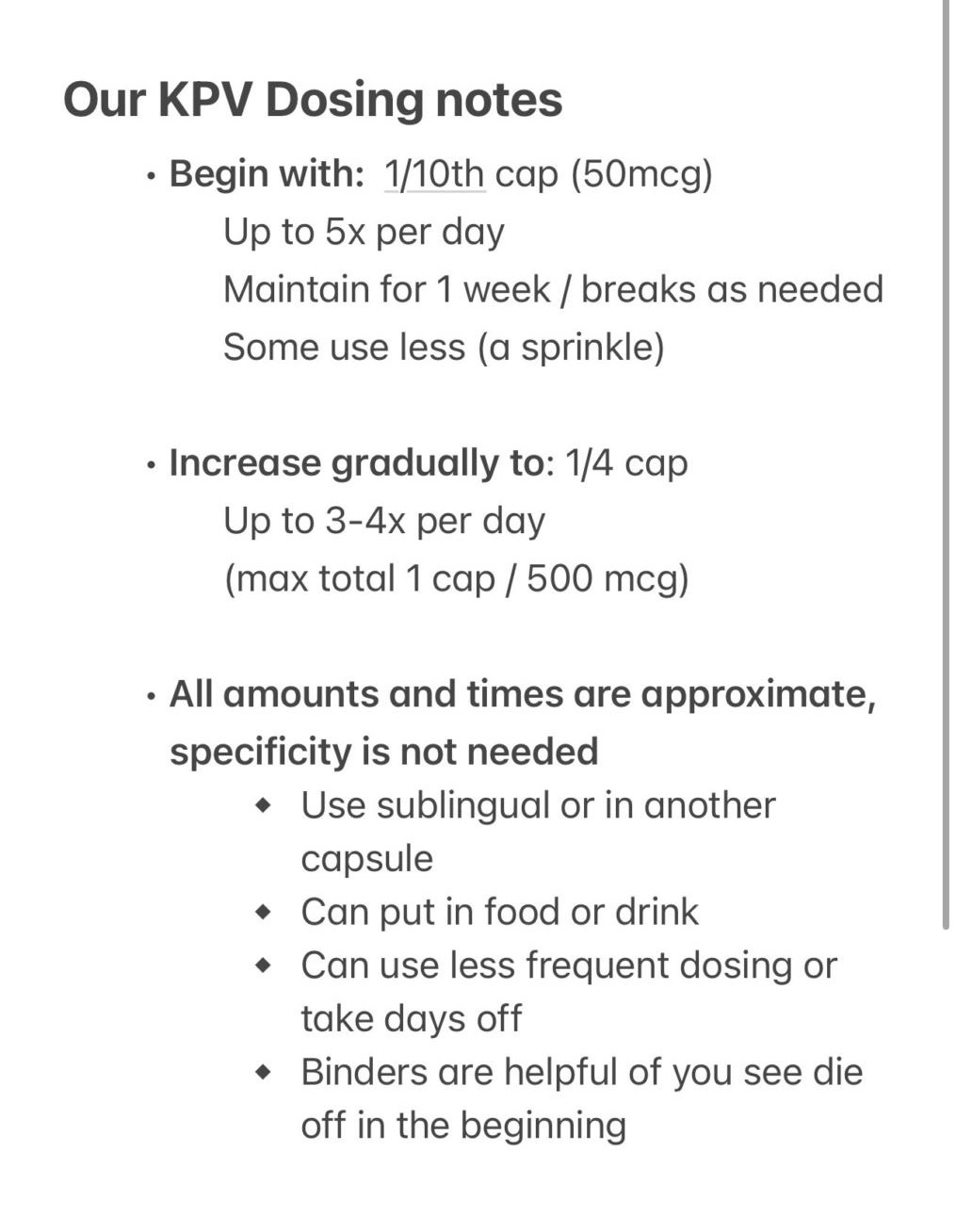
A blend presents a verification challenge that individual compounds do not encounter. Different suppliers might label two vials as 80mg, yet they can have differing ratios; thus, the breakdown of components is more significant than the headline figure. It is categorized neither as a drug nor intended for human or veterinary consumption. A lab examining four peptides separately must obtain four vials and manage four distinct sets of handling and documentation variables.
Collectively, they create one of the most detailed recovery blends present in the research literature. GHK-Cu contributes to collagen synthesis, antioxidant signaling, and affects skin and connective tissue, while TB-500 is a synthetic derivative of the active segment of Thymosin Beta-4, which plays a role in cell movement and tissue repair. The KLOW blend predominantly consists of GHK-Cu due to its impact on connective tissue and skin pathways that are not directly addressed by the other three peptides. Investigated for its roles in systemic cellular movement, actin regulation, and repair of connective tissues.
Each ingredient has its own preclinical literature. Studies need to match the formulation and route; findings about four separate ingredients don’t demonstrate a combined effect. A blend generally means ingredients combined in one formulation. One study examined collagen and elastin in cultured cells and evaluated a topical nano-carrier formulation in 40 women over eight weeks. The study also did not test the four-component KLOW blend or an injected version of it. In a 2008 study, researchers investigated how it entered intestinal epithelial and immune cells through a transporter called PepT1.
Always make sure to utilize bacteriostatic water (BAC). Our expertise lies in the analysis of clinical trials, peer-reviewed medical research, and upcoming data related to peptide therapies. Community discussions on r/Peptides indicate that vials can be used for 10 to 16 weeks with no noticeable changes, though no research has assessed KLOW’s potency over time. After the addition of bacteriostatic water, KLOW should be stored in the refrigerator between 2 to 8°C and must not be frozen, as freeze-thaw cycles can hasten the oxidation of vulnerable amino acids. No research has evaluated KLOW’s potency over time while in solution.
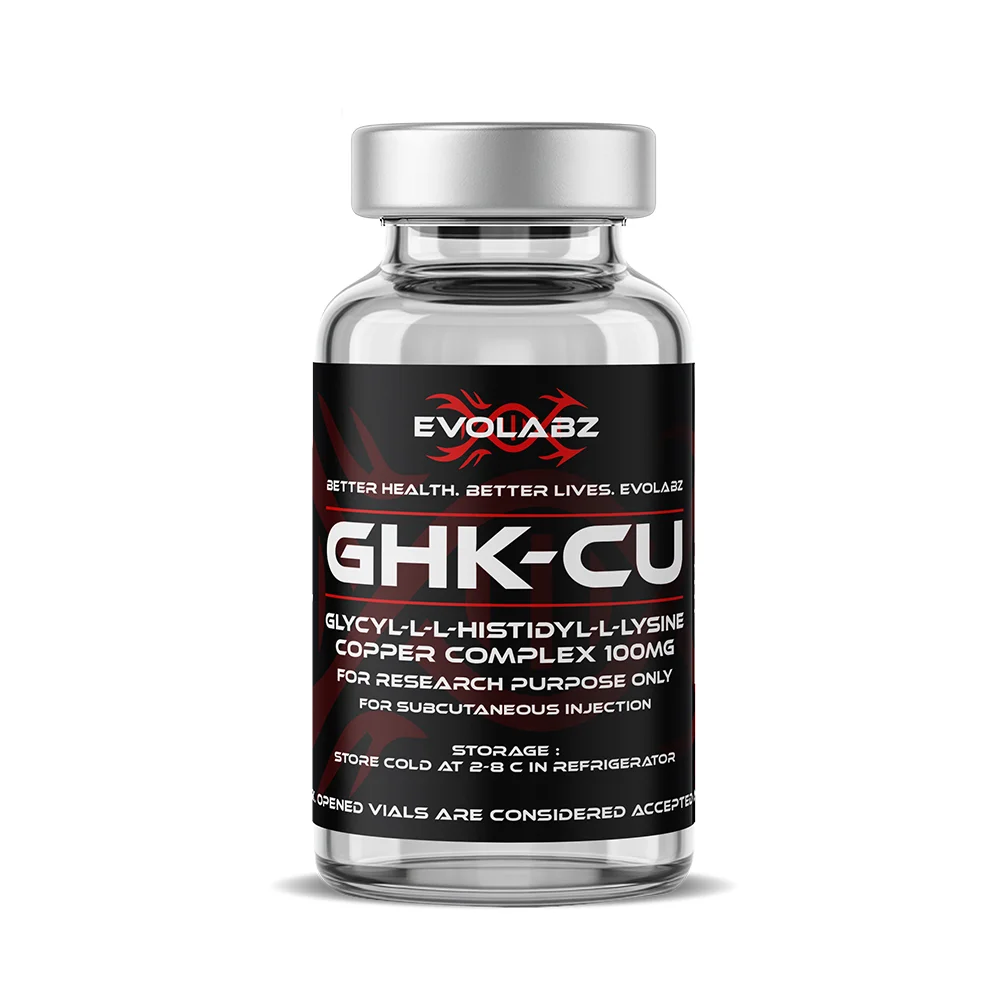
Anyone with cancer history should avoid these compounds or consult an oncologist first. No liver or kidney damage even at high doses in animal studies. The absence of documented severe effects is noteworthy.